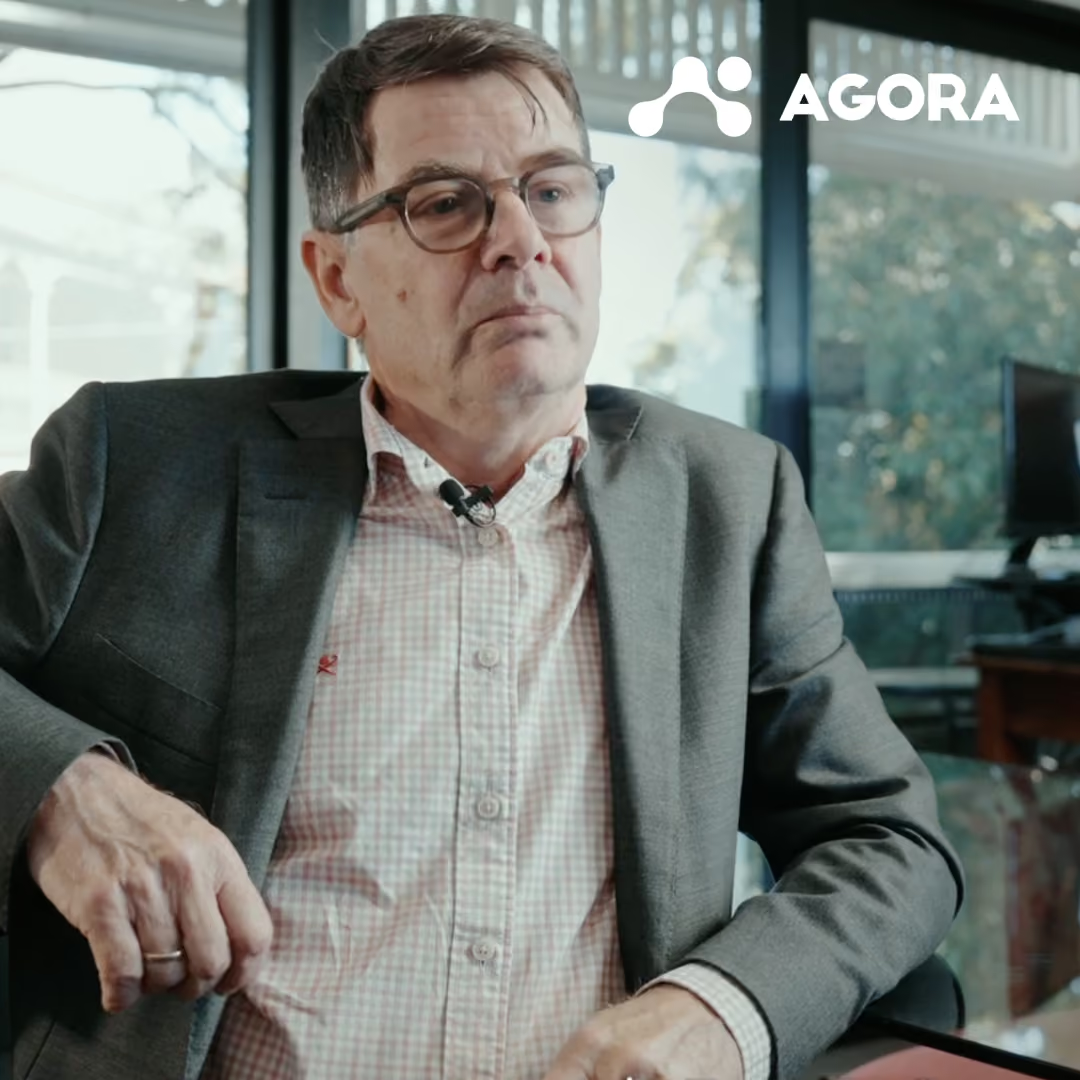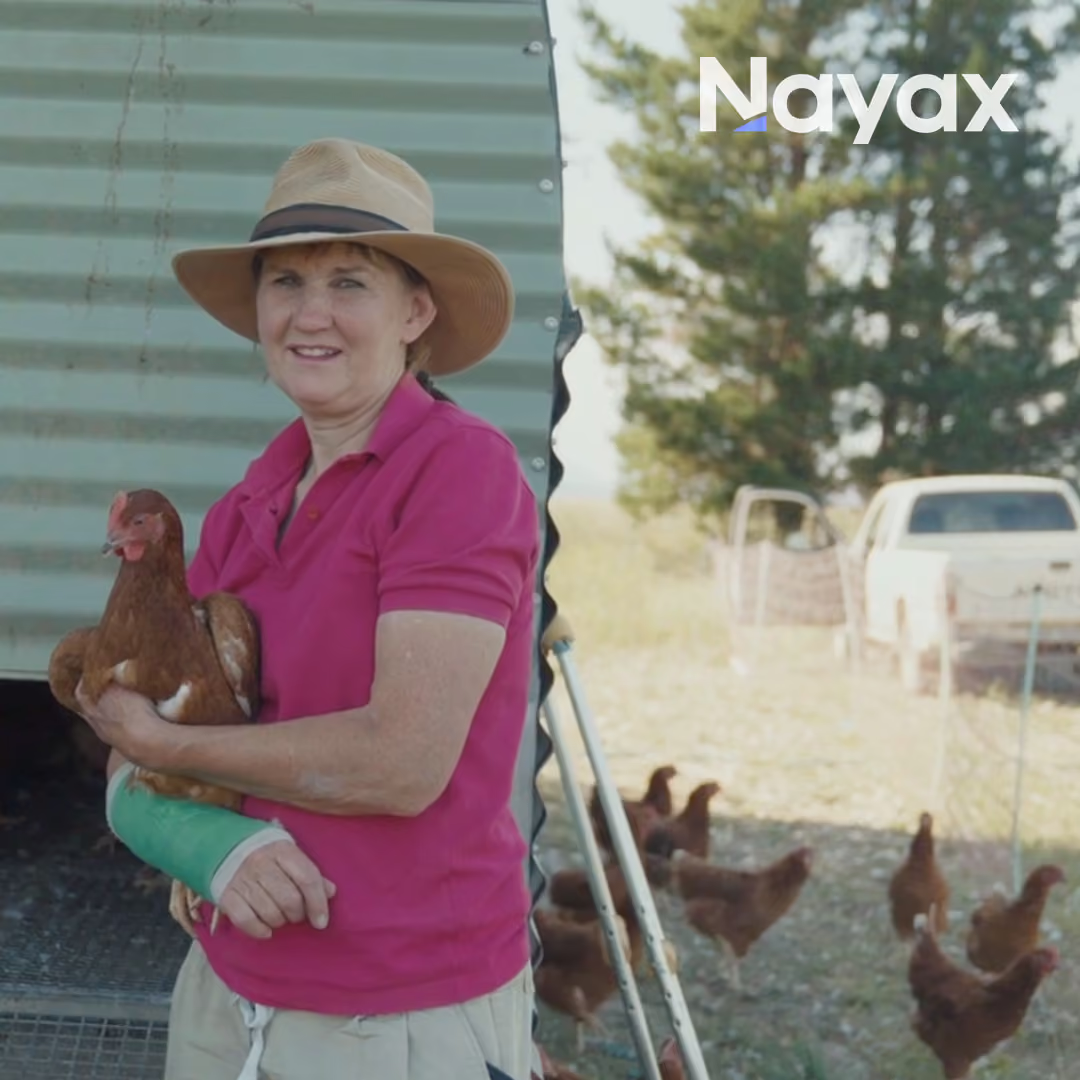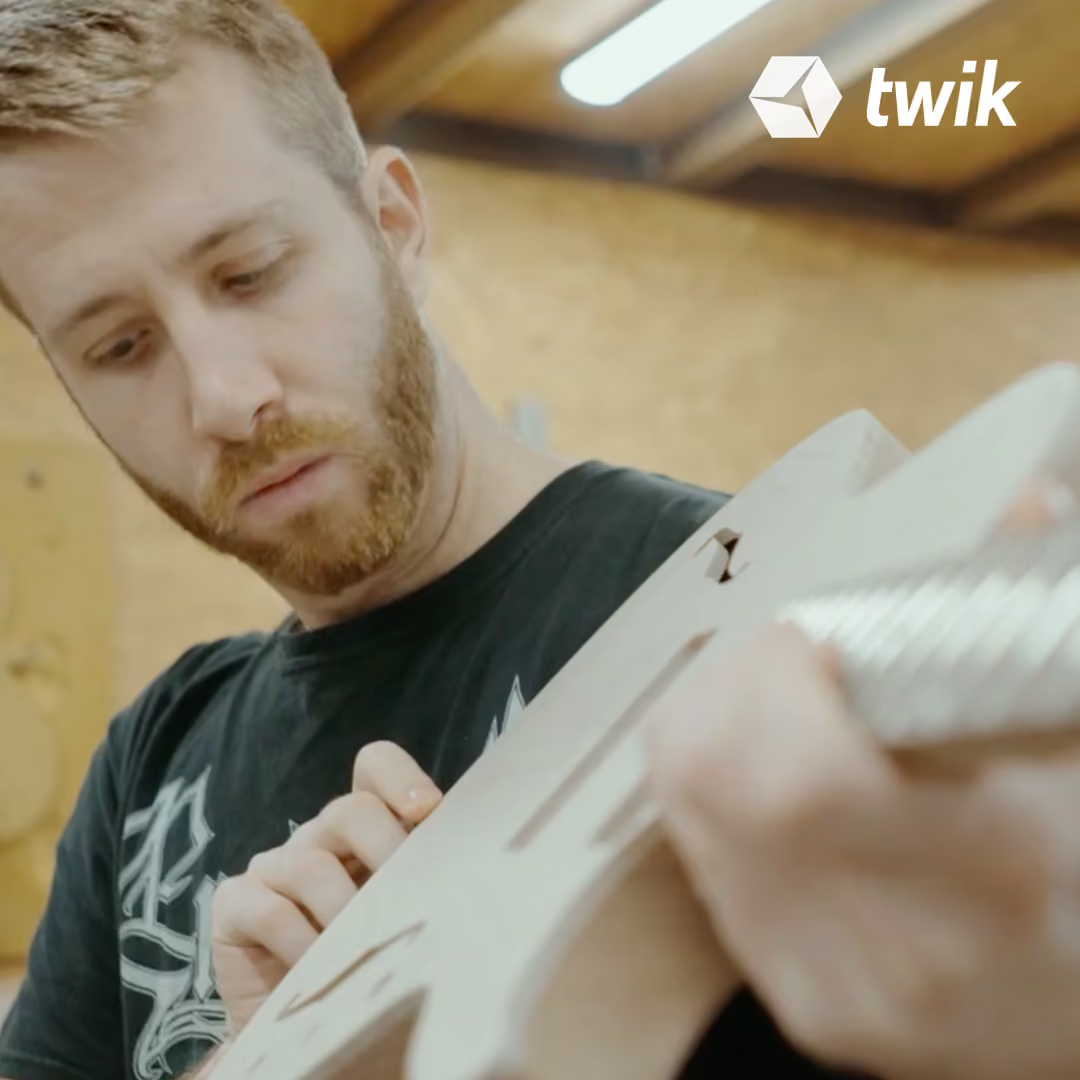

There is a fear that stops a lot of marketing teams from investing in customer testimonial videos. They worry that going for something real means going for something cheap. Shaky footage, bad sound, a customer mumbling into a webcam. So they overcorrect, hire a full crew, write a tight script, and end up with a video that looks expensive and feels completely fake.
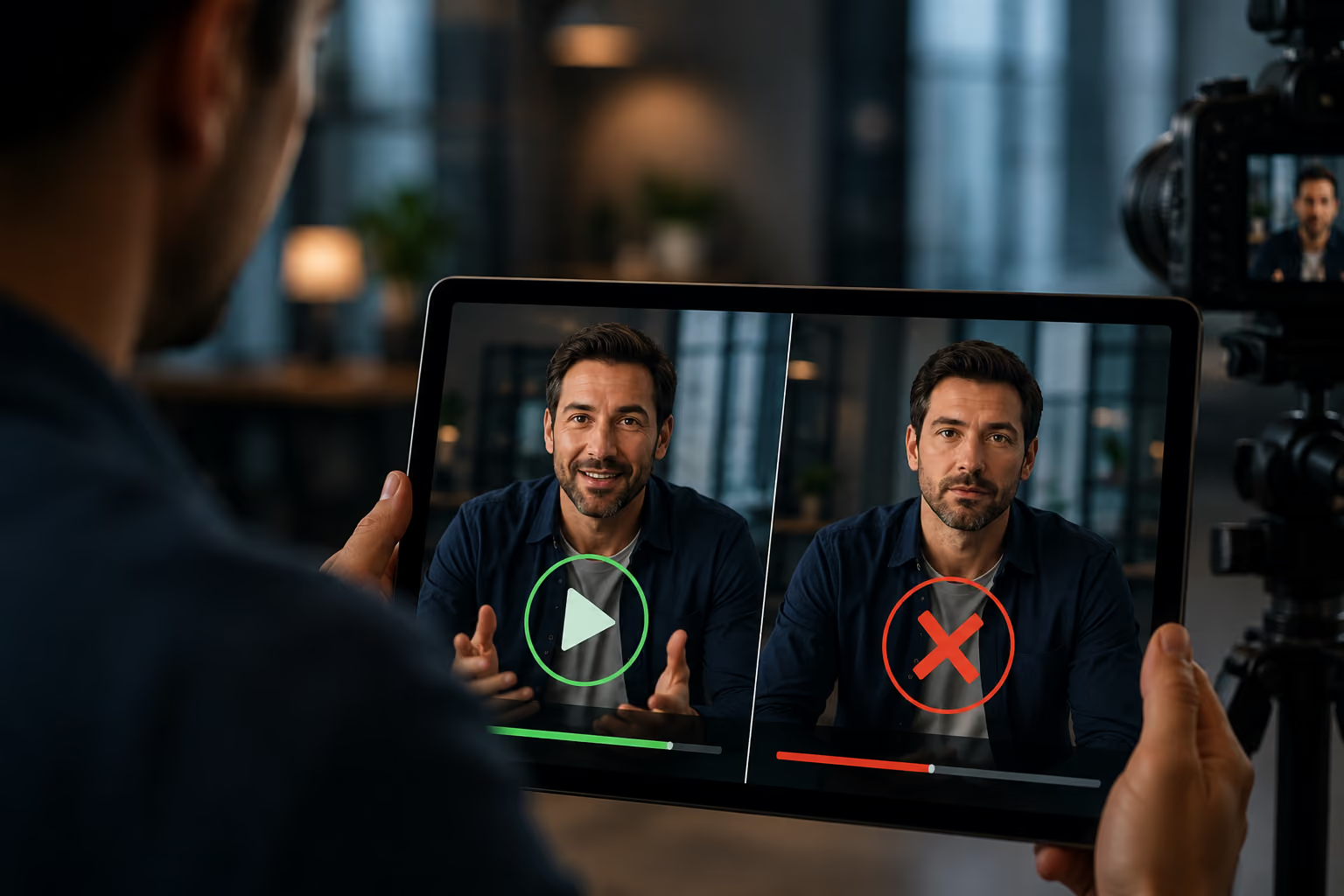
Both of those are misses. The sweet spot is a thing worth naming, because once you can see it, you can aim for it. Call it professional authenticity. The video looks and sounds like it was made by people who care, and the person on camera still sounds like an actual human being talking about a real experience.
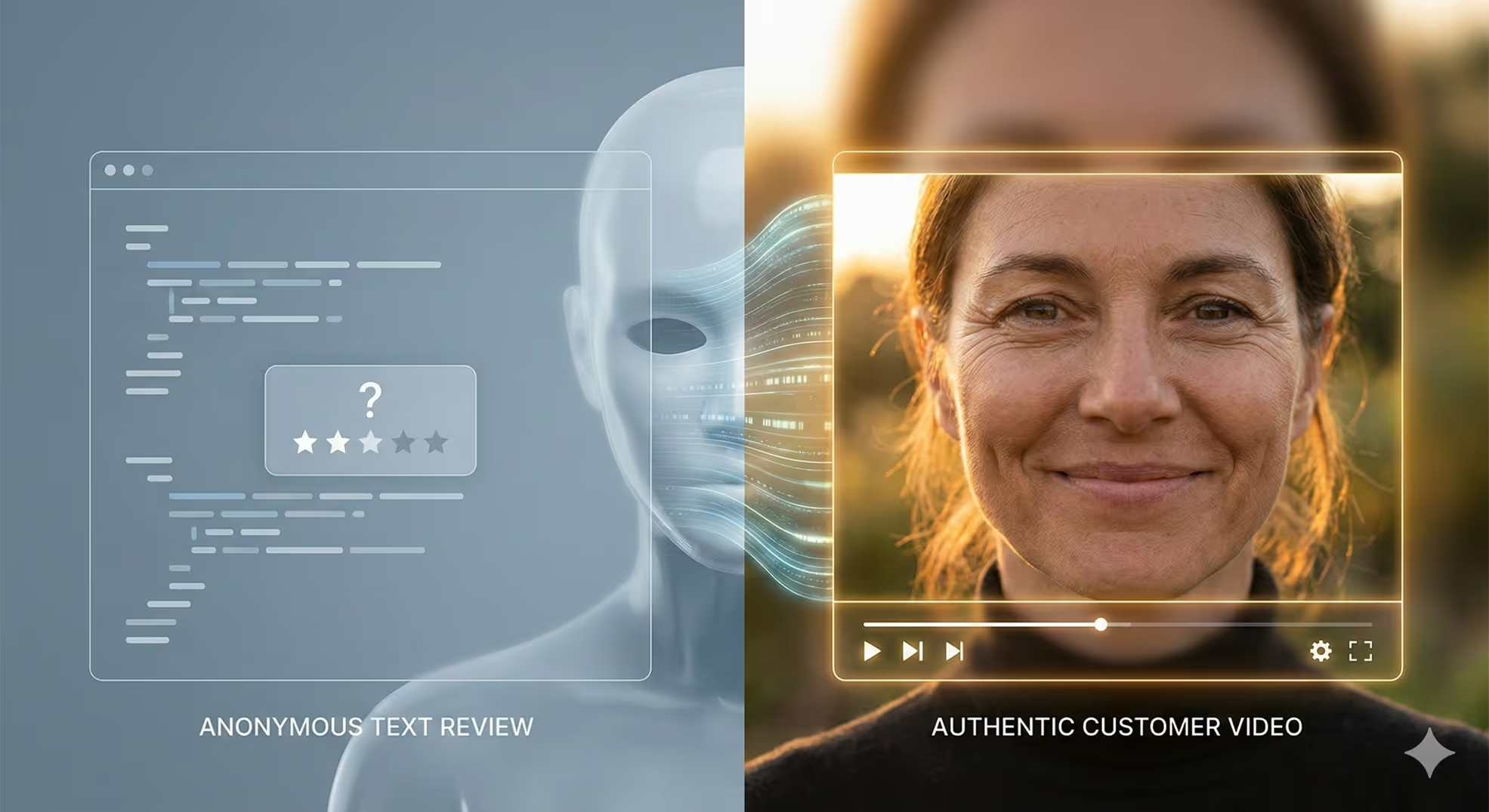
Most teams treat polished and authentic as opposites, where more of one means less of the other. They are not opposites. They live on two completely separate tracks, and the strongest customer testimonial videos score high on both.
The two things people confuse
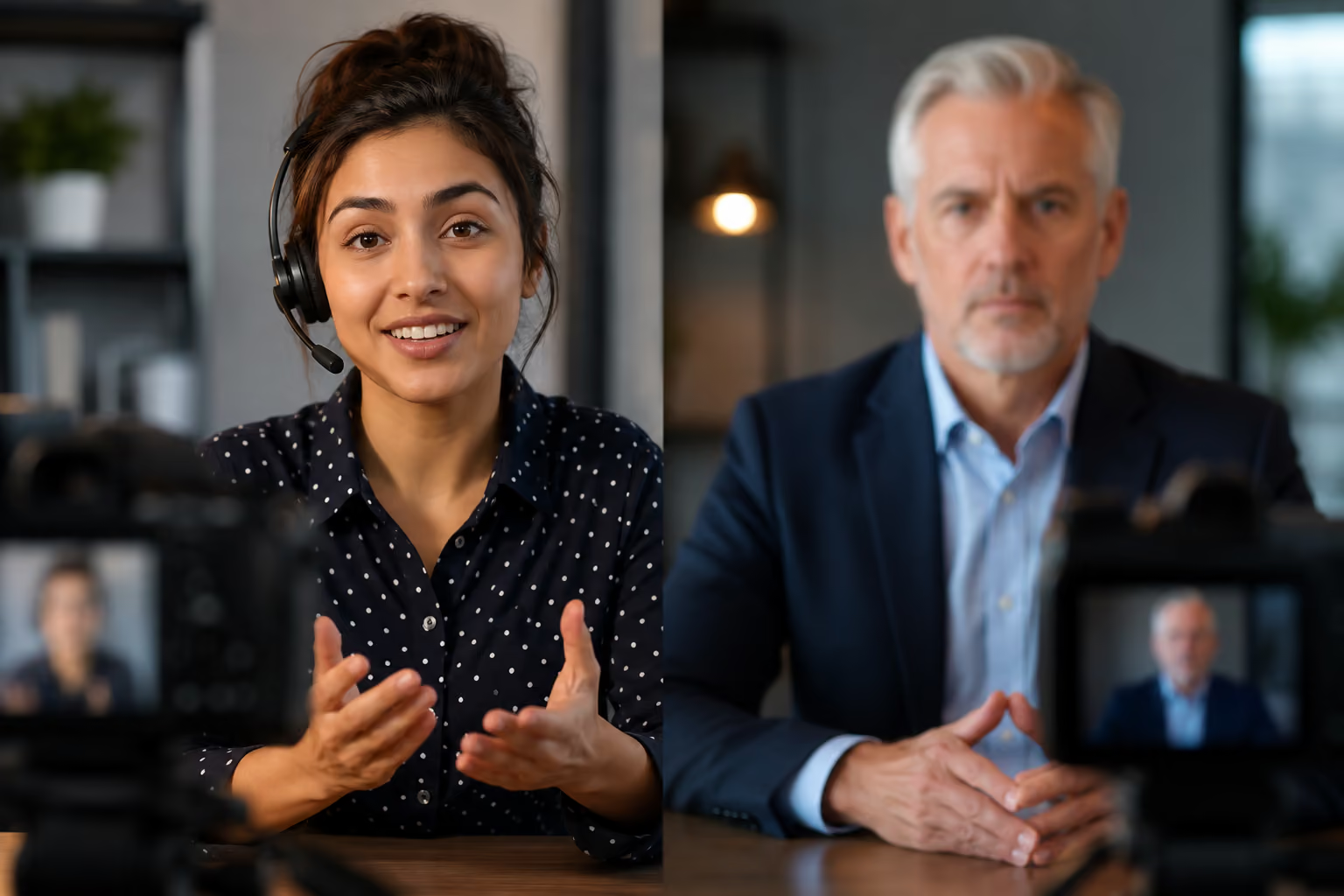
When people say a video looks "professional," they usually mean the production: the lighting, the framing, the audio, the editing. When they say a video feels "authentic," they mean the performance: whether the person sounds like themselves or sounds like they are reading.
These are different problems with different solutions. You fix production with equipment and skill. You fix authenticity with how you brief, how you interview, and what you choose to leave in. A common mistake is trying to solve an authenticity problem by spending more on production, which only makes the fake parts more obvious. A beautifully shot video of someone reciting a script is the worst of both worlds. It looks staged because it is staged.
Authentic does not mean amateur
Let us kill the biggest myth first. Authentic is not the same as low quality. A customer testimonial video can have clean audio, good light, and a steady frame, and still feel completely genuine. In fact, clarity helps authenticity rather than hurting it. When the sound is crisp and the picture is stable, nothing gets in the way of the person and what they are saying.
The cheap, shaky look does not read as honest. It reads as careless. Viewers do not think "how real," they think "this brand did not bother." So the production floor matters. You want the customer to be heard clearly and seen well. That is the professional half, and it is non-negotiable.
Polished does not mean scripted
Here is the other half, and it is where most customer testimonial videos go wrong. The single fastest way to make a video feel fake is to hand the customer a word-for-word script. People are very good at detecting performed emotion, even when they cannot explain why something feels off. A scripted testimonial trips that detector instantly.
The fix is not to abandon control. It is to control the right layer. Tell the customer what topics matter to you. Do not tell them the sentences. They should know roughly what you hope they will cover, the problem they had, what changed, what the experience was like. They should not be memorizing lines. When someone speaks from memory of a real event instead of from a page, the rhythm changes. The pauses are real. The word choices are theirs. That is the texture buyers trust.
Where the line actually sits
So the line is simple once you separate the tracks. Stay professional on production. Stay loose on performance. Direct the setting, the sound, the look, and the topics. Do not direct the words.
A useful gut check while editing: would a stranger believe this person actually said this on their own? If a line sounds too clean, too on-message, too much like your homepage copy, it is probably the part that is dragging the video down. Real people do not talk in marketing slogans. When a customer accidentally delivers your value proposition in your exact words, that is usually the moment that breaks the spell.
Why this is worth getting right
The whole reason to make customer testimonial videos instead of writing more copy is that a real person carries proof that your own marketing cannot. The second the video feels manufactured, you lose that advantage and you are back to a polished ad that viewers discount on sight. You paid for production and got none of the trust.
Get both halves right and the video does something neither a slick commercial nor a rough clip can do on its own. It looks like you take your work seriously, and it sounds like a peer telling the truth. That combination is what makes a prospect believe the claim instead of just reading it.
Professional authenticity is not a compromise between two good things. It is the result of doing both jobs properly, on their own terms.
.avif)
.svg)
.avif)
.avif)

.avif)
.avif)
.avif)
.avif)